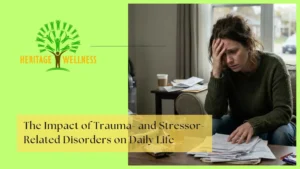
Trauma- and stressor-related disorders affect millions of people, yet many individuals struggle silently without fully understanding what they are experiencing. These conditions do not simply cause “bad days.” They can disrupt relationships, work performance, physical health, and overall quality of life.
The impact of trauma- and stressor-related disorders on daily life can be profound but with professional support, recovery and stability are possible.
This article explains how these disorders affect everyday functioning and why seeking professional treatment is essential.

What Are Trauma- and Stressor-Related Disorders?
According to the Diagnostic and Statistical Manual of Mental Disorders (DSM-5), trauma- and stressor-related disorders are mental health conditions triggered by exposure to a traumatic or highly stressful event.
Common diagnoses include:
- Post-Traumatic Stress Disorder (PTSD)
- Acute Stress Disorder
- Adjustment Disorder
- Reactive Attachment Disorder
These disorders may develop after experiences such as accidents, abuse, violence, sudden loss, medical trauma, or prolonged stress exposure.
While everyone responds to stress differently, trauma-related conditions occur when the nervous system remains in a heightened state long after the threat has passed.
Emotional Impact on Daily Life
One of the most noticeable effects of trauma-related disorders is emotional instability.
Individuals may experience:
- Persistent anxiety or fear
- Sudden mood swings
- Irritability or anger
- Emotional numbness
- Feelings of guilt or shame
For example, someone living with PTSD after a car accident may feel intense fear while driving even months later. Everyday activities like commuting to work can trigger overwhelming stress responses.
Emotional dysregulation often affects personal relationships, making communication and trust more difficult.

Disruption of Work and Productivity
Trauma-related disorders significantly affect concentration and cognitive performance.
Common workplace challenges include:
- Difficulty focusing
- Memory lapses
- Avoidance of certain tasks
- Increased absenteeism
- Panic attacks during high-pressure situations
An employee with Adjustment Disorder after a sudden job change may struggle to adapt to new responsibilities. Even simple tasks may feel mentally exhausting.
Over time, performance issues can lower self-confidence and increase stress, creating a cycle that worsens symptoms.
Professional mental health treatment helps break this cycle through structured therapy and coping strategies.
Sleep Disturbances and Fatigue
Sleep disruption is one of the most common daily impacts of trauma-related conditions.
Individuals may experience:
- Nightmares
- Insomnia
- Frequent awakenings
- Restless sleep
- Fear of falling asleep
For those with PTSD, recurring trauma-related dreams can lead to chronic sleep deprivation.
Lack of sleep affects:
- Mood regulation
- Immune function
- Work performance
- Physical health
Without proper treatment, sleep issues often persist and intensify.

Physical Health Consequences
Trauma affects more than the mind it impacts the body.
Chronic stress activation can lead to:
- Headaches
- Digestive problems
- Muscle tension
- Rapid heart rate
- High blood pressure
The body remains in “fight or flight” mode, even in safe environments.
For example, someone who experienced a home invasion may constantly scan their surroundings for danger. This heightened alertness keeps stress hormones elevated throughout the day.
Over time, chronic physiological stress increases the risk of long-term health complications.
Professional therapy helps regulate the nervous system and restore balance.
Impact on Relationships and Social Life
Trauma- and stressor-related disorders often lead to social withdrawal.
Individuals may:
- Avoid gatherings
- Struggle with trust
- React strongly to minor conflicts
- Feel emotionally disconnected
- Isolate themselves from loved ones
For example, a person with Acute Stress Disorder following a traumatic event may avoid friends who remind them of that experience.
Isolation may feel protective in the short term, but it often deepens feelings of loneliness and depression.
Structured therapeutic support helps individuals rebuild interpersonal safety and connection.
Avoidance Behaviors That Limit Daily Activities
Avoidance is a key symptom of many trauma-related disorders.
This may include avoiding:
- Certain locations
- Specific people
- Conversations
- News or media
- Driving or traveling
While avoidance temporarily reduces anxiety, it reinforces fear patterns and limits daily functioning.
Over time, life can become increasingly restricted.
Professional mental health treatment gradually addresses avoidance patterns in a safe, controlled way helping individuals reclaim daily routines.
Emotional Numbing and Loss of Enjoyment

Another common impact is emotional numbness.
People may report:
- Feeling disconnected from joy
- Reduced interest in hobbies
- Difficulty expressing affection
- A sense of detachment from life
This symptom often confuses individuals because they may not feel “sad” just empty.
Left untreated, emotional numbness can affect parenting, partnerships, and overall life satisfaction.
Therapeutic interventions help restore emotional engagement and resilience.
The Importance of Professional Treatment
Trauma-related disorders rarely resolve on their own without support.
Professional treatment may include:
- Evidence-based psychotherapy
- Trauma-focused cognitive behavioral therapy
- EMDR therapy
- Stress regulation techniques
- Structured coping strategies
Seeking help does not mean weakness it reflects commitment to healing.
Early intervention significantly improves outcomes and prevents symptoms from becoming chronic.
Long-Term Consequences of Untreated Trauma
When left untreated, trauma-related conditions may lead to:
- Depression
- Substance misuse
- Relationship breakdown
- Occupational instability
- Physical health decline
The longer symptoms persist, the more deeply they affect daily functioning.
However, recovery is possible with proper professional guidance.
Rebuilding Stability and Daily Functioning
Healing from trauma does not mean forgetting the event. It means learning to live without constant emotional and physiological distress.
Professional therapy helps individuals:
- Regain emotional control
- Improve sleep
- Strengthen relationships
- Restore work performance
- Reduce anxiety triggers
- Build resilience
With structured treatment, daily life becomes manageable again.
Call to Action
If you or someone you care about is experiencing symptoms of a trauma- or stressor-related disorder, professional help can make a meaningful difference.
Our experienced mental health professionals provide compassionate, evidence-based treatment tailored to your needs.
You don’t have to navigate trauma alone. Call today, schedule an appointment, or request a confidential consultation to begin your path toward healing and stability.