
Recovery from mental health challenges is often easier when you know you’re not facing them alone. While therapy and psychiatric care play essential roles in treatment, many people also benefit from connecting with someone who has experienced similar struggles and successfully navigated their own recovery journey. This is where peer support becomes a powerful part of the healing process. Why Choose Peer Support for Mental Health Recovery is a question many people ask when looking for additional encouragement, practical guidance, and meaningful human connection.
Heritage Wellness offers trauma-informed, culturally responsive peer support services led by trained peer specialists with lived experience. Their program focuses on helping justice-involved individuals transitioning back into the community by providing one-on-one virtual support, group reentry circles, emotional regulation strategies, goal setting, and practical tools that encourage lasting recovery and resilience.

What Is Peer Support?
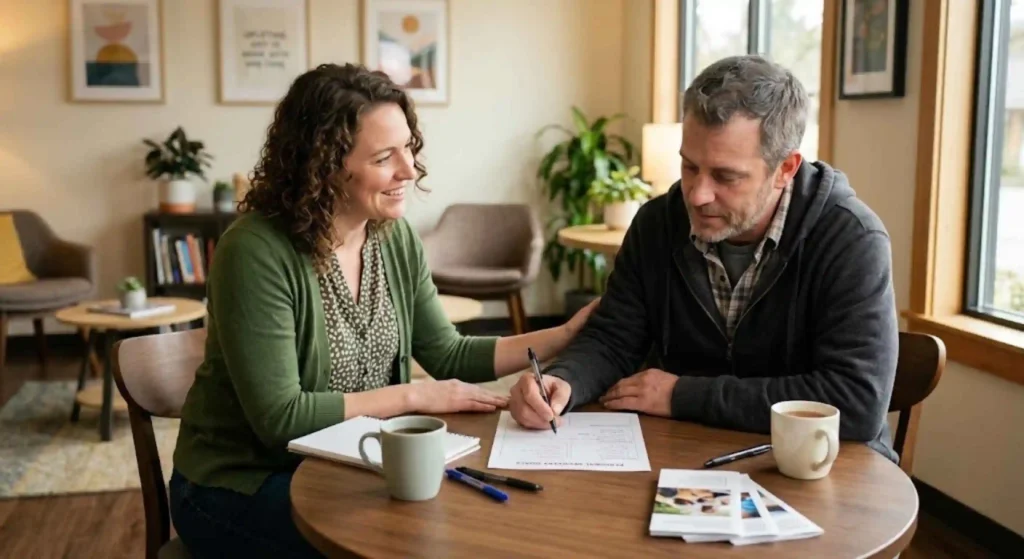
Peer support is a recovery-focused service where individuals receive encouragement and guidance from trained peers who have personally experienced mental health or life challenges. Unlike traditional therapy, peer support is built on shared experiences, mutual understanding, and hope.
Rather than replacing clinical treatment, peer support complements therapy, counseling, and psychiatric care by helping individuals apply recovery skills to everyday life. Research consistently shows that peer support can foster hope, strengthen social connections, and improve confidence during recovery.
How Peer Support Differs From Traditional Therapy
Although both services promote recovery, they serve different purposes.
Therapy
Licensed mental health professionals diagnose conditions, provide evidence-based treatment, and help individuals manage psychological symptoms.
Peer Support
Peer specialists use their lived experiences to offer encouragement, practical guidance, accountability, and hope while walking alongside individuals during their recovery journey.
These services often work best together, creating a more comprehensive support system.
Benefits of Peer Support for Mental Health Recovery
Shared Understanding
One of the greatest strengths of peer support is speaking with someone who genuinely understands the challenges of recovery because they have experienced similar situations themselves.
This shared understanding often helps reduce feelings of isolation and stigma.
Hope Through Real-Life Experience
Seeing someone who has successfully navigated recovery reminds individuals that positive change is possible.
Peer specialists demonstrate that setbacks do not define the future and that recovery is achievable with continued support.
Practical Guidance
Peer specialists often share practical strategies that helped them overcome challenges, such as:
- Building healthy routines
- Managing stress
- Setting realistic goals
- Strengthening communication
- Navigating community resources
- Maintaining motivation
These practical insights help individuals apply recovery skills in everyday situations.
Stronger Community Connections
Recovery extends beyond treatment appointments.
Peer support encourages individuals to reconnect with their communities, strengthen relationships, and build healthy social support networks that promote long-term wellness.
Who Can Benefit From Peer Support?
Peer support may benefit individuals experiencing:
- Anxiety
- Depression
- Trauma-related challenges
- Substance use recovery
- Major life transitions
- Social isolation
- Community reentry after incarceration
- Stress-related mental health concerns
At Heritage Wellness, peer support services are specifically designed to assist individuals transitioning from incarceration back into the community. Their trained peer specialists provide compassionate support for people living in halfway homes, under supervision, or beginning their recovery journey after release.
Heritage Wellness’s Peer Support Approach
Heritage Wellness focuses on whole-person recovery by combining lived experience with trauma-informed care.
Their peer support program includes:
One-on-One Virtual Support
Individuals receive personalized guidance from trained peer specialists who understand the challenges of rebuilding life after significant experiences.
Group Reentry Circles
Group sessions create opportunities for shared learning, encouragement, accountability, and mutual support among participants facing similar transitions.
Emotional Regulation Skills
Participants learn practical techniques to better manage stress, emotions, and difficult situations encountered during recovery.
Goal Setting
Peer specialists help individuals establish realistic personal goals while celebrating progress along the way.
Community Reintegration
Support focuses on helping individuals navigate employment, relationships, community resources, and daily responsibilities with greater confidence.
Heritage Wellness partners with organizations to deliver these services through collaborative, community-focused programs that promote dignity, resilience, and lasting change.
Job Story: Rebuilding Confidence After Reentry
After being released from incarceration, one individual found the transition back into daily life overwhelming. Finding employment, rebuilding family relationships, and managing emotional stress all felt difficult at once.
The individual enrolled in Heritage Wellness’s peer support program and was paired with a trained peer specialist who had lived experience navigating similar challenges.
Through regular virtual meetings, participation in group reentry circles, and personalized goal setting, the individual gradually built healthier routines, improved emotional regulation, and gained confidence in handling everyday responsibilities.
Having someone who truly understood the recovery journey helped transform feelings of isolation into hope and motivation, making community reintegration feel achievable.
The Professional Advantage
Choosing a structured peer support program provides benefits beyond informal encouragement.
Trauma-Informed Care
Heritage Wellness delivers services using trauma-informed practices that recognize the impact of past experiences while creating emotionally safe, respectful environments for healing.
Trained Peer Specialists
Peer specialists receive specialized training that enables them to provide effective, recovery-oriented support while maintaining professional boundaries.
Personalized Recovery Support
Every recovery journey is different. Heritage Wellness tailors peer support to each individual’s goals, strengths, and unique circumstances.
Collaborative Care
Peer support complements therapy, psychiatric care, and other behavioral health services by reinforcing recovery skills between clinical appointments.
Why People Choose Heritage Wellness
Individuals and community organizations trust Heritage Wellness because they provide:
- Trauma-informed peer support
- Culturally responsive services
- One-on-one virtual peer coaching
- Group reentry circles
- Goal-setting support
- Emotional regulation strategies
- Community reintegration assistance
- Partnerships with organizations serving justice-involved individuals
Their compassionate approach emphasizes dignity, resilience, and long-term recovery while meeting individuals where they are in their healing journey.
Frequently Asked Questions
What is peer support?
Peer support connects individuals with trained specialists who use their lived experiences to provide encouragement, guidance, and practical support throughout the recovery process.
Is peer support a replacement for therapy?
No. Peer support complements professional mental health treatment by offering shared experience, motivation, and practical recovery guidance alongside clinical care.
Who provides peer support at Heritage Wellness?
Heritage Wellness’s services are led by trained peer specialists with lived experience who provide trauma-informed, culturally responsive support for individuals reentering the community after incarceration.
Can peer support improve long-term recovery?
Yes. Peer support can strengthen resilience, reduce isolation, build confidence, and help individuals stay engaged in their recovery goals while developing stronger community connections.
Begin Your Recovery Journey With Support That Understands
Recovery becomes more manageable when you have someone who understands your experiences and believes in your ability to move forward. Peer support provides encouragement, accountability, and practical tools that complement professional mental health care while fostering hope and resilience.
If you or your organization would like to learn more about Peer Support for Mental Health Recovery, contact Heritage Wellness today. Their experienced peer specialists are committed to helping individuals build confidence, strengthen coping skills, and create meaningful, lasting change through compassionate, recovery-focused support.